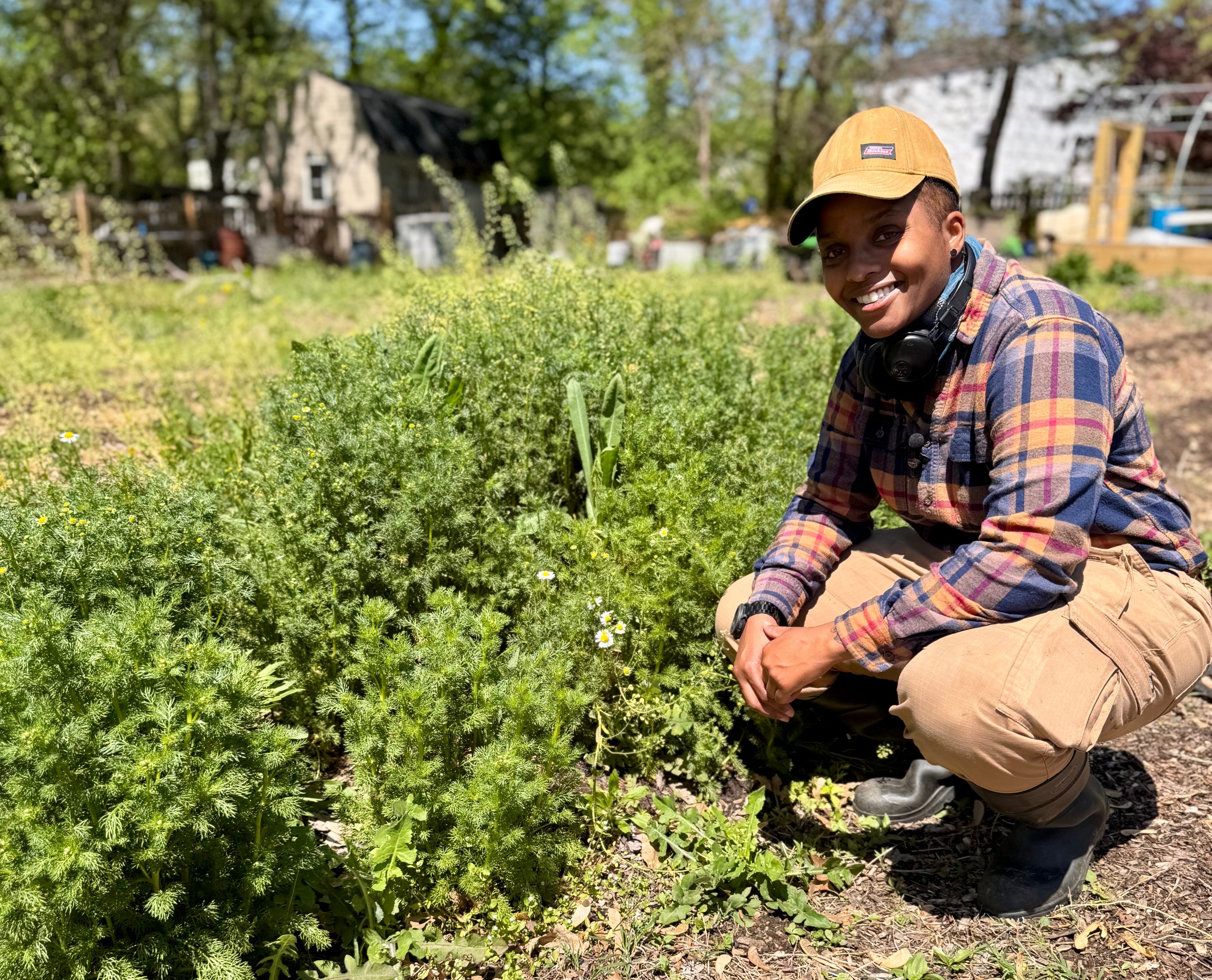
Mel ‘n Nem Farms, founded in 2020 by Mel Thomas, emerged from a blend of childhood nostalgia and a sharp awareness of community needs during the COVID-19 pandemic. While agriculture wasn’t her professional background—Thomas’s expertise lies in film production, sociology, and IT—gardening with her father as a child instilled a lifelong love for the outdoors and the satisfaction of growing one’s own food.
“When the pandemic hit, I was just getting back into gardening and learning about regenerative agriculture,” Thomas explains. What became starkly apparent was the exacerbated food insecurity within Prince George’s County, particularly among Black and Brown communities. More concerning was the widespread lack of fundamental gardening skills and tools. Thomas observed a significant barrier: existing online resources and courses often lacked instructors who shared their cultural background or context relevant to their living areas, and they were prohibitively expensive.
This disparity ignited Mel ‘n Nem Farms’ mission: to provide the tools and skills for people to grow their own food, reconnect with nature, and rediscover traditional practices that allowed ancestors to thrive, especially in challenging times. “We’re not necessarily chasing products or services; we’re chasing a solution,” Thomas emphasizes.
Evolving Offerings: From Backyard Basics to In-School Immersion
Mel ‘n Nem Farms’ approach has evolved to meet diverse community needs. Initially, they offered basic gardening classes for both adults and children. This expanded to include a summer camp, in partnership with another Black farmer, and a homeschool cohort, providing extended, hands-on learning for kids from planting to harvest.

A particularly popular initiative has been their in-school workshops. Recognizing that many Prince George’s County schools might lack the budget or resources to transport students to the farm, Mel ‘n Nem Farms brings the farm to them. These workshops introduce students to nature, plant lifecycles, and ecosystems in an engaging and hands-on manner. The workshops are designed to be “group-agnostic,” meaning they can be scaled to fit various group sizes, from small after-school programs of 10-20 kids to large groups of 120-150 students across multiple grade levels. This adaptable curriculum ensures that the material is accessible and impactful for as many students as possible.

Cultivating Self-Reliance: Education and Design for Food Security
Mel ‘n Nem Farms’ commitment to community engagement goes beyond the classroom, directly addressing food insecurity through education and personalized design services.
One key offering is site visits and consultations. Mel ‘n Nem Farms experts visit private homes, residences, or community gardens, providing comprehensive reports on soil conditions, sun exposure, and tailored recommendations for improving growing beds. For those starting from scratch, they offer gardening design services to create sustainable, organically grown setups. Additionally, their planting plans guide customers step-by-step through the process of growing specific crops, detailing where to plant, how many, and when to harvest and water. This empowers individuals to successfully grow their own food at home, fostering a sense of self-reliance.

“With the schools, we are reintroducing nature, the food supply chain, and sustainability, and understanding how we as humans fit into the ecosystem to children,” Thomas explains. This approach builds a sense of ownership and the importance of being good land stewards, connecting individuals to the benefits of farming and engaging with the outdoors.
The “Grow Easy Gardening“ program, specifically for adults, caters to those who want to start their own gardens but feel overwhelmed by information or lack a clear starting point. Participants engage in hands-on activities at the farm, from examining soil to planting seedlings, building confidence to apply these skills in their own spaces, no matter how small.
Embracing Nature’s Wisdom: Sustainable Practices
At the heart of Mel ‘n Nem Farms’ operations is a deep commitment to sustainable practices, guided by a core value: respect for nature and the delicate balance of the ecosystem. This commitment is evident in their innovative farming methods and teaching.
The farm serves as a model for in-home sustainability, even on its half-acre plot. They implement low-cost, DIY systems for water retention and utilize a rotational garden system. This involves dividing garden beds into three zones, rotating crops throughout the year. Heavy feeders are followed by light feeders, and the third zone is dedicated to soil builders—crops that replenish nutrients. These are then folded back into the soil, minimizing the need for external fertilizers.

Furthermore, Mel ‘n Nem Farms practices companion planting, a method that involves growing beneficial plants together. This natural pest deterrent eliminates the need for chemicals or pesticides. Thomas vividly describes the benefits of companion planting, particularly referencing the “Three Sisters method“ used by Indigenous Americans: “They would plant corn, squash, and beans together. The squash, with its broad leaves, provided a living mulch that suppressed weeds and kept carbon in the soil. The beans would provide nitrogen, as they are heavy feeders. And the corn would act as a stand for the pole beans to run up. That was how they grew a lot of food for their community in a much smaller space.” This integration of traditional wisdom into modern practice is a cornerstone of their teaching.
Overcoming Challenges and Looking to the Future
Like many grassroots initiatives, Mel ‘n Nem faces challenges, primarily outreach and resources. Thomas acknowledges the difficulty in securing venture capital for Black-owned agricultural ventures, emphasizing that their growth has been largely “bootstrapped” through hard work and personal investment. However, recent grant awards have allowed them to improve infrastructure and expand their team, providing vital job opportunities within the community.

Thomas notes a disconnect: “You don’t see as many Black people, especially in these agricultural spaces or at big agricultural summits. But the agricultural practices and the things people are using to be successful often came from Black and Brown people.” Mel ‘n Nem Farms aims to bridge this gap, making agricultural knowledge accessible and demonstrating its relevance to busy individuals seeking healthier, self-sufficient lifestyles. The mental and emotional benefits of growing your own food, beyond just sustenance, are often overlooked.
Looking ahead, Mel ‘n Nem has ambitious plans for growth and impact. They aim to expand their reach to more schools, including those in neighboring Charles County where demographics are shifting. A long-term project, Project JAM, involves significant infrastructure improvements to transform the entire property into a completely sustainable operation, including a permanent structure with an outdoor kitchen for year-round events and as an event space.
Their future metrics for success are clear: how many people now have the confidence, the wherewithal, the tools, and the access to fresh food.
Getting Involved with Mel ‘n Nem Farms
Located locally in Bowie, Maryland, Mel ‘n Nem Farms offers various ways for the community to engage. The best way to get involved or inquire about workshops is through their website, where classes and schedules are posted.
A particularly exciting re-launch this summer is their Farm-to-Table experiences. Guests will be able to work with a local chef, learning about crop cultivation and harvesting their own ingredients directly from the farm before participating in a communal meal preparation. This immersive experience not only educates but also connects people to the freshest food possible. “It’s a fun, community-based event, but it also shows them that this is something you can do on a small scale, it’s possible, and this is how you feel when you’re picking something fresh off a plant,” Thomas explains.

Mel ‘n Nem Farms is also working towards a passive solar greenhouse to enable year-round cultivation and plans to launch a newsletter soon for updates and news. By empowering individuals with the knowledge and skills to grow their own food, Mel ‘n Nem is not just cultivating produce; it’s cultivating self-reliance, community well-being, and a brighter, more sustainable future for Prince George’s County.
Visit https://www.melnnemfarms.com/offerings to learn more.