1. Abraham Hall (Beltsville)

Built in 1889, this is the best-preserved example of an African American benevolent society lodge in the county. It served as a social hub, school, and church for the Black community of Rossville. Today, it houses the M-NCPPC Black History Program.
2. North Brentwood Historic District
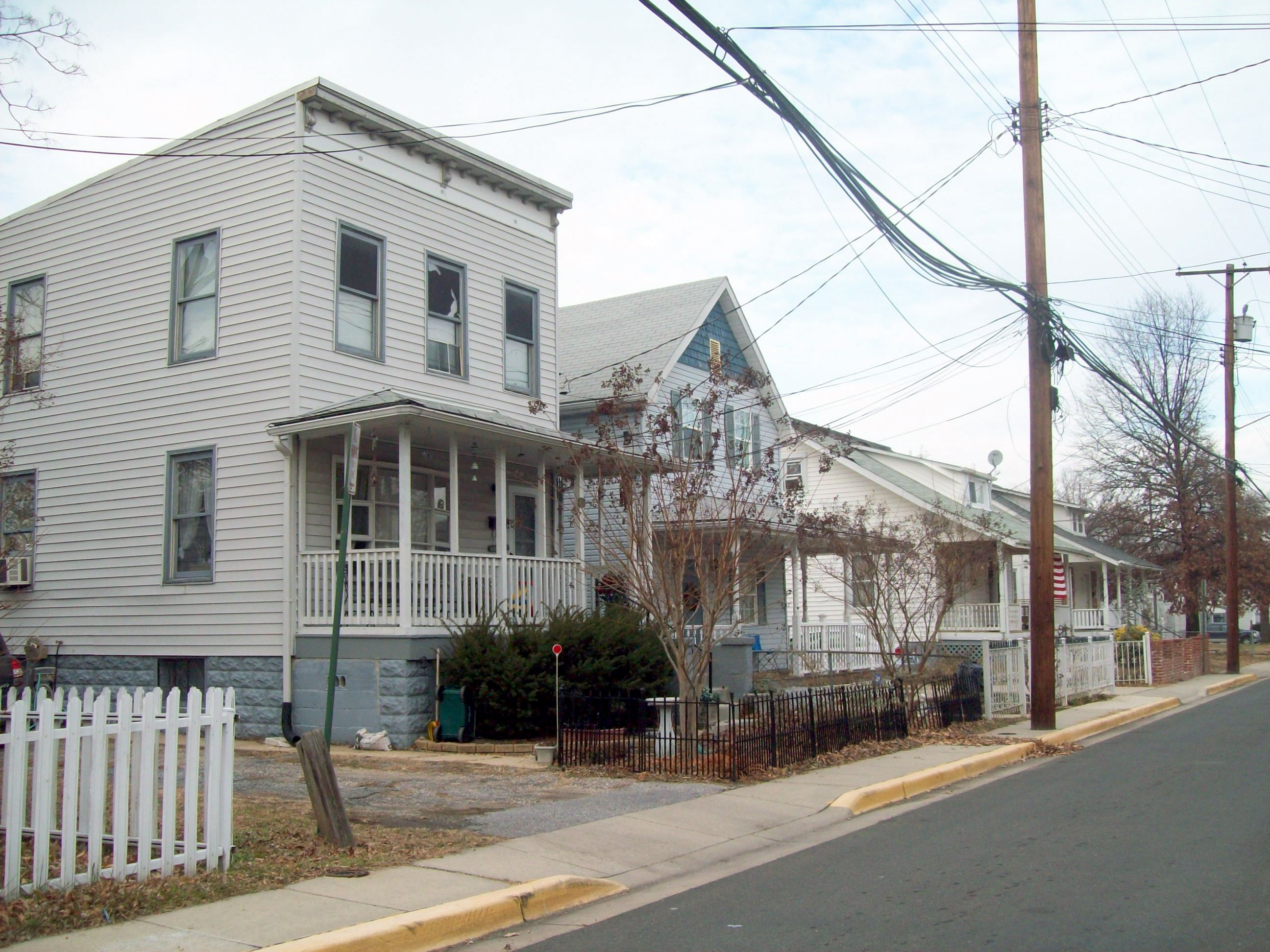
Incorporated in 1924, North Brentwood was the first municipality in Prince George’s County incorporated by African Americans. It was a refuge for Black families during the Jim Crow era and remains a cornerstone of the county’s heritage.
3. Columbia Air Center Site (Upper Marlboro)

Located in what is now Patuxent River Park, this was the first Black-owned and operated airfield in Maryland. Established in 1941, it provided a space for Black aviators to fly and train during a time of widespread segregation in aviation.
4. Northampton Slave Quarters & Archaeological Park (Bowie)

This park preserves the foundations of two slave quarters from the former Northampton Plantation. It serves as a somber educational site that interprets the lives of the enslaved people who lived and labored there between the late 18th and mid-19th centuries.
5. Ridgeley School (Capitol Heights)

One of the many Rosenwald Schools built across the South, Ridgeley School opened in 1927. It provided quality education for African American children during the era of “separate but equal” and has been beautifully restored as a museum.
6. Dorsey Chapel (Glenn Dale)

Constructed in 1900, this small frame building is a classic example of a rural African American meetinghouse-style church. It served as the spiritual and social center for the Brookland community for over 70 years.
7. Blacksox Park (Bowie)

Originally the home field for the Mitchellville Tigers and the Baltimore Black Sox (a Negro League team), this park was a vital center for Black baseball from the 1930s through the 1970s.
8. Fairmount Heights Historic District
Developed in the early 1900s, Fairmount Heights was one of the earliest planned suburban communities for African Americans in the D.C. area. It was home to prominent figures like William Sidney Pittman, a noted architect and son-in-law of Booker T. Washington.
9. St. Paul’s Baptist Church / Free Hope (Bladensburg)

Believed to be the site of one of the oldest Black congregations in the county (dating back to the 1860s), this site represents the resilience of the Black faith community immediately following emancipation.
10. Cherry Hill Cemetery (Riverdale)

Established in 1884, this is one of the few remaining intact African American family cemeteries in the county. It contains the remains of the Adams family and other local residents, with many graves marked by local ironstone or yucca plants.