In a continued effort to address the root causes of crime and bolster community stability, Governor Wes Moore announced the expansion of the “Safer Stronger Together” (SST) initiative to include the municipalities of Capitol Heights and District Heights. The announcement was made during the Prince George’s County leg of the Governor’s statewide “Delivering for Maryland” tour, marking a significant step in the administration’s strategy to invest in youth and families.
A Data-Driven Approach to Public Safety
The Safer Stronger Together initiative represents Maryland’s first formal interagency effort to break the cycle of system involvement for at-risk families. By analyzing data from the Department of Human Services (DHS), the Department of Public Safety and Correctional Services (DPSCS), and the Department of Juvenile Services (DJS), the state identified over 2,000 families served by multiple agencies simultaneously.
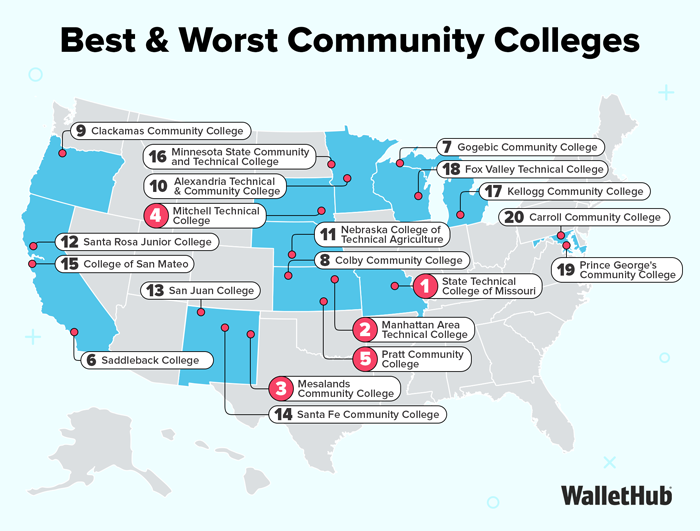
“The work of delivering for Maryland is about investing in the fundamentals,” said Governor Moore during a roundtable discussion at Prince George’s Community College. “We are rejecting the false choice between supporting law enforcement and building stronger communities. By doing both, we are securing safer, stronger communities that leave no one behind.”
Capitol Heights and District Heights join previous pilot sites in Hagerstown, Salisbury, and Baltimore. The initiative specifically targets neighborhoods where multi-system-involved families are concentrated—areas that often face disproportionate rates of poverty and violent crime.
Empowering Communities through Local Action
Central to the SST model is the shift of power from state agencies to local residents. Each site is guided by a Community Action Board composed of local members who identify public safety needs and design “user-friendly” Requests for Proposals (RFPs). This ensures that state funding supports grassroots solutions rather than “one-size-fits-all” government programs.
In Prince George’s County, the initiative has already awarded $450,000 to eight local nonprofits. These organizations provide a range of services, including:
- Mentorship programs for young fathers.
- Academic tutoring and educational support.
- Therapeutic interventions for high-risk youth between the ages of 13 and 25.
Statewide, the program has reached over 5,000 young people, contributing to what the administration describes as a historic drop in violent crime—including a 40% reduction in murders in Prince George’s County in 2025.
The Link Between Housing and Safety
Governor Moore’s visit also highlighted the Community Schools Rental Assistance Program (CSRAP) at District Heights Elementary School. The Governor emphasized that public safety and education are inextricably linked to housing stability.
“A quality education rests on stable housing,” Moore stated. The CSRAP provides up to 15 months of emergency housing assistance—including rent arrears and security deposits—to families with children in Community Schools who are facing eviction or homelessness. The administration’s Fiscal Year 2027 budget includes $11 million for this program, a $6 million increase over the previous year.
Looking Ahead
The expansion into Capitol Heights and District Heights is part of a broader plan to bring the Safer Stronger Together initiative to 10 communities across Maryland. By pairing Family Navigators with community-led investment, the state aims to transform the relationship between government and the citizens it serves.
As Prince George’s County Executive Aisha Braveboy noted, the initiative is built on the recognition that “solutions, like problems, come from more than one source.” With the addition of these two new communities, the Moore-Miller administration continues to bet on the idea that Maryland is at its best when its neighborhoods are empowered to lead their own revitalization.